In observance of Alzheimer’s & Brain Awareness Month, I find myself thinking more intentionally about memory—how we use it, how we protect it, and what it means when we begin to lose it. I am not a neuroscientist, doctor, or memory expert. I’m simply a reader, a lifelong learner, and someone who carries both curiosity and quiet concern about cognitive health as I grow older.
This awareness month doesn’t just bring statistics and research to mind; it brings personal reflection. It reminds me of loved ones, of stories I’ve witnessed, and of the fragile yet powerful role memory plays in shaping who we are. It also makes me more attentive to anything that deepens my understanding of the brain, even in unexpected ways.
Surprisingly, one of those moments of curiosity was sparked not by a medical article or documentary—but by a book: Deep Work by Cal Newport.
When a Book Leads You Somewhere Unexpected
Deep Work is primarily about focus, distraction, and the ability to engage in cognitively demanding tasks in a world full of interruptions. But as I read, I began to notice a deeper theme beneath the surface: the importance of sustained attention and mental discipline in shaping how our minds function.
That idea lingered with me. If deep, focused thinking strengthens our ability to learn and produce meaningful work, could it also influence how we remember, process, and retain information?
This question led me down a path of curiosity about memory itself. Along the way, I discovered something I didn’t even know existed—memory championships and the world of memory athletes who train their minds with intentional techniques to dramatically improve recall.
I was intrigued. Not as an expert, but as an observer. As someone simply trying to understand the mind a little better.
Curiosity Meets a Personal Fear
My interest in memory is not purely academic. It is personal.
Alzheimer’s does not strongly run in my family, but my paternal grandfather had it. Watching someone lose pieces of their memory, their personality, and eventually their sense of connection is heartbreaking. Even witnessing others experience dementia stirs a quiet fear in me: What if that ever happens to me? What if it happens to someone I love?
There is another layer to this reflection as well. After going through treatment, I sometimes experience what many refer to as “chemo brain”—moments of mental fog, word-finding difficulty, or small memory lapses that can be frustrating and, at times, unsettling. They are usually brief, but they make me more aware of how much I rely on clarity of thought and recall in my daily life.
Because of this, learning that memory can be trained, strengthened, and intentionally exercised felt both fascinating and comforting. It shifted my thinking from viewing memory decline as something entirely inevitable to wondering what role lifelong mental engagement might play in supporting brain health.
Discovering the World of Memory Training
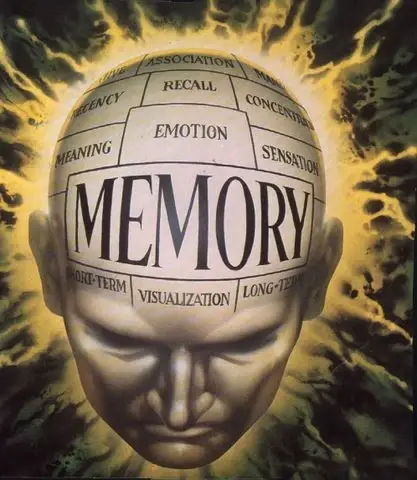
As my curiosity grew, I began looking into memory athletes and researchers who study how memory works. I learned about individuals like Daniel Kilov, a memory athlete and coach who demonstrates how techniques such as visualization, association, and spatial memory can significantly enhance recall.
These methods are not about having a rare “photographic memory.” Instead, they rely on structured mental strategies—skills that can be practiced and improved over time. That realization was powerful. It suggested that memory is not just something we passively lose or keep, but something we can actively engage with and strengthen.
What Research Suggests About Memory
My exploration also introduced me to the work of cognitive psychologists like Dr. Henry L. Roediger III, whose research focuses on how memory functions and how learning strategies affect retention. His work reinforces the idea that memory is not fixed. It is dynamic, shaped by attention, repetition, and meaningful engagement.
This connected back to the central message I took from Deep Work: our ability to focus deeply may influence not only our productivity, but also how well we encode and retain information. In a distracted world, sustained attention may be one of the most underrated ways we care for our cognitive health.
From Fear to Possibility
Learning about memory training did not erase my fears about Alzheimer’s or dementia. Those fears are rooted in real experiences and real losses that many families face. But it did balance that fear with a sense of possibility.
Instead of feeling completely helpless about cognitive decline, I began to think about the small, intentional ways I can support my brain health:
-
Reading consistently and with focus
-
Challenging my mind with new ideas and authors
-
Practicing deep, uninterrupted thinking
-
Staying curious and mentally engaged
-
Viewing learning as a lifelong habit rather than a phase
These are not guarantees against disease. But they are meaningful ways to honor the gift of memory while we have it.
The Emotional Weight of Memory
This topic is deeply emotional for me. Alzheimer’s and dementia are not just medical conditions; they represent stories interrupted, identities blurred, and families navigating slow, painful goodbyes. They remind us how closely memory is tied to love, recognition, and belonging.
That is why my discovery of memory athletes and cognitive research felt so significant. It did not make me feel in control of the future, but it did make me feel more intentional in the present.
It reminded me that while we cannot control everything about aging or disease, we can remain mentally active, intellectually curious, and deeply engaged with the world around us.
Books as Gateways to Awareness
This entire reflection began with a single book about focus and productivity. Yet it opened the door to questions about memory, aging, and brain health that I had not previously explored in such depth.
That is the quiet power of reading. Books introduce us to new authors, new experiences, and sometimes entirely new areas of human ability and understanding. One idea leads to another. One question leads to deeper reflection. And before we realize it, we are thinking differently about our own lives.
In this case, Deep Work did more than challenge how I manage my attention—it sparked curiosity about memory, introduced me to the world of memory training, and prompted a more intentional reflection during Alzheimer’s & Brain Awareness Month.
Final Reflection
I do not claim expertise on memory science or neurodegenerative disease. I am simply reflecting, wondering, and learning. But this journey has reminded me that memory is not only something we fear losing; it is also something we can appreciate, exercise, and protect through lifelong curiosity and engagement.
Perhaps that is the most meaningful takeaway: to value our memories now, to nurture our minds intentionally, and to stay curious about the remarkable capabilities of the human brain.
And sometimes, all it takes to begin that reflection… is one book.
References & Further Reading
-
Cal Newport, Deep Work
-
Daniel Kilov – Memory Athlete and Coach
-
“How Do You Train Your Memory Like a Memory Champion?” – Iris Reading
-
Dr. Henry L. Roediger III – Memory Research (Washington University in St. Louis)
Add comment
Comments